Lifestyle · Barcelona
A Guide to Living Well in Barcelona
How to build a life here — neighbourhoods, rhythms, culture, and the habits that make the city work.
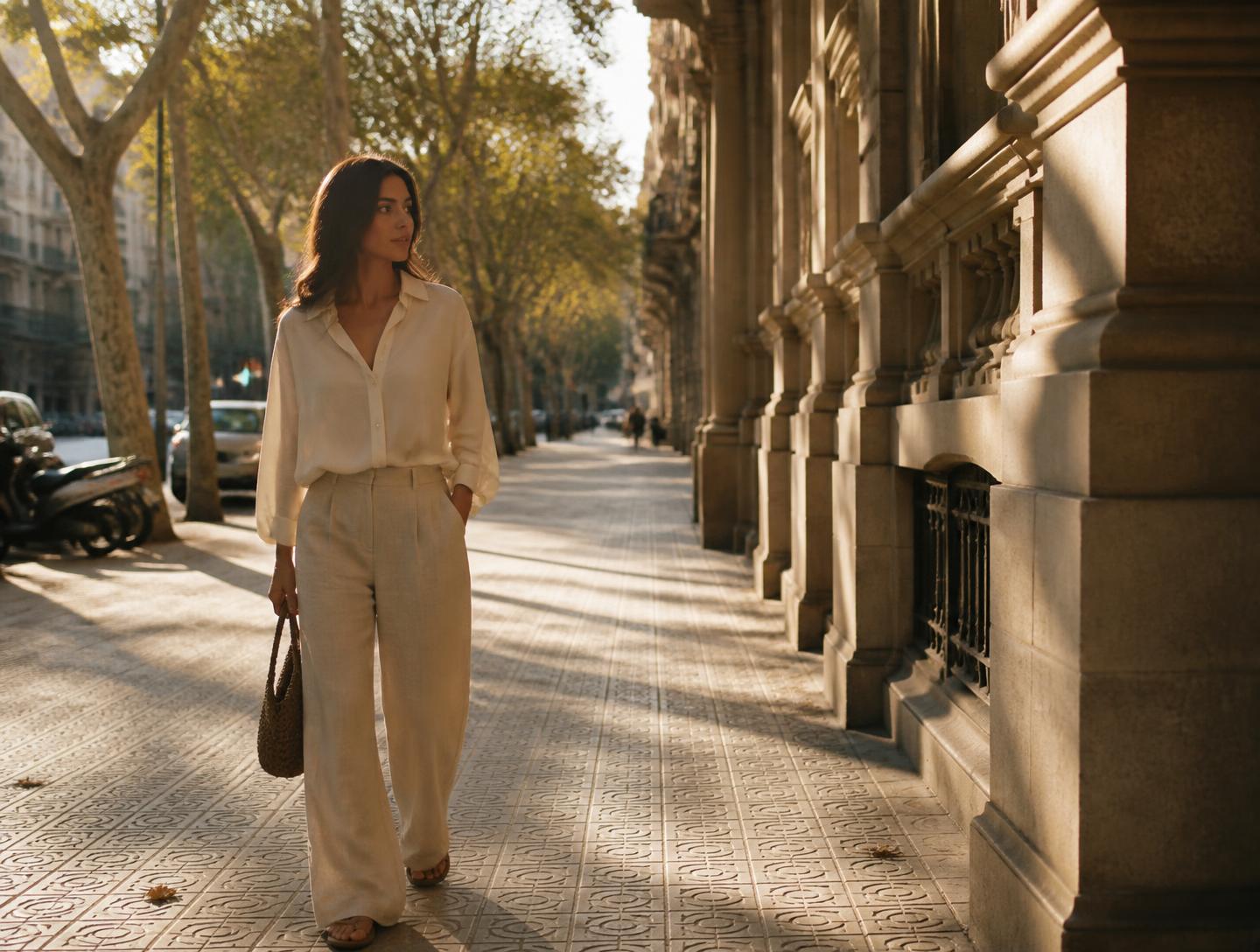
Barcelona is generous to visitors and demanding of residents. The city gives you sea, mountain, architecture and a climate that lets you live outdoors — but it will not organise your week for you. The people who live well here have built a structure and then let the city fill it.
This is the version of that structure we would give a woman arriving for the first time.
Choose the neighbourhood, not the flat
Gràcia is villages inside a city: low buildings, small squares, an evening culture that happens on the street. Eixample is order and light, the easiest place to walk everywhere, and where most of the studios and good breakfast tables sit. Sant Antoni has become the most liveable of the central neighbourhoods, anchored by its market. Poblenou trades density for sea and space. Sarrià–Sant Gervasi is quieter, greener and more residential.
Live where your habits are. In this city, a fifteen-minute walk is the difference between doing something weekly and doing it never.
Build the week around movement
Two or three fixed classes are enough to hold everything else in place; the reformer studios in Eixample, Gràcia and Sarrià are the usual anchors. Add water and hills at the weekend.
Collserola Natural Park
Above the cityThe hills that border Barcelona to the north — trails, pine, and views back over the whole city. The weekend counterweight to a week indoors.
Bogatell Beach
PoblenouA swim before work is realistic here for much of the year, and Bogatell is the most civilised of the central beaches.
Keep culture in the diary
Fundació Joan Miró
MontjuïcMiró's own foundation in a Josep Lluís Sert building — as much a lesson in architecture and light as in painting.
Fundació Antoni Tàpies
EixampleModern and contemporary work inside a Modernista building on Carrer d'Aragó. Small enough to visit often.
MACBA
El RavalBarcelona's contemporary art museum, and the white Richard Meier building that reshaped the Raval around it.
CCCB
El RavalA centre for contemporary culture with a strong programme of exhibitions, talks and film — the most reliably interesting diary in the city.
Eat with the city's rhythm
Breakfast is small, lunch is the real meal, dinner is late and social. Fighting that rhythm is the fastest way to feel foreign here.
Shop at the markets — Sant Antoni, Santa Caterina, La Boqueria for the theatre of it — and let the week's cooking follow what is there.
Leave the city regularly
Montserrat
About an hour by FGC trainThe serrated mountain and monastery above the Llobregat valley. A half-day that resets the scale of everything.
Sitges
35–40 minutes by Rodalies trainA coastal town of Modernista houses and easy beaches — the simplest escape from the city without a car.
Penedès
Under an hour inlandCava and wine country, and the closest proper landscape change to Barcelona.
Cadaqués
Costa BravaA whitewashed fishing village that requires a car and a full day, and repays both.
Then find your people
Places are the easy part of a city. The harder part — and the reason Areté exists — is finding the handful of women who make it feel like yours: people who are building something, who read, who train, who travel, who ask better questions over dinner.
Areté gathers those women in Barcelona, in small numbers, on purpose. If that sounds like the version of the city you want, the Private List is where it begins.
Areté gathers women in Barcelona around movement, life design and culture. Our experiences are intentionally limited, and details are shared first with the Private List. You can also see upcoming experiences or read about Areté Society.